.jpg)


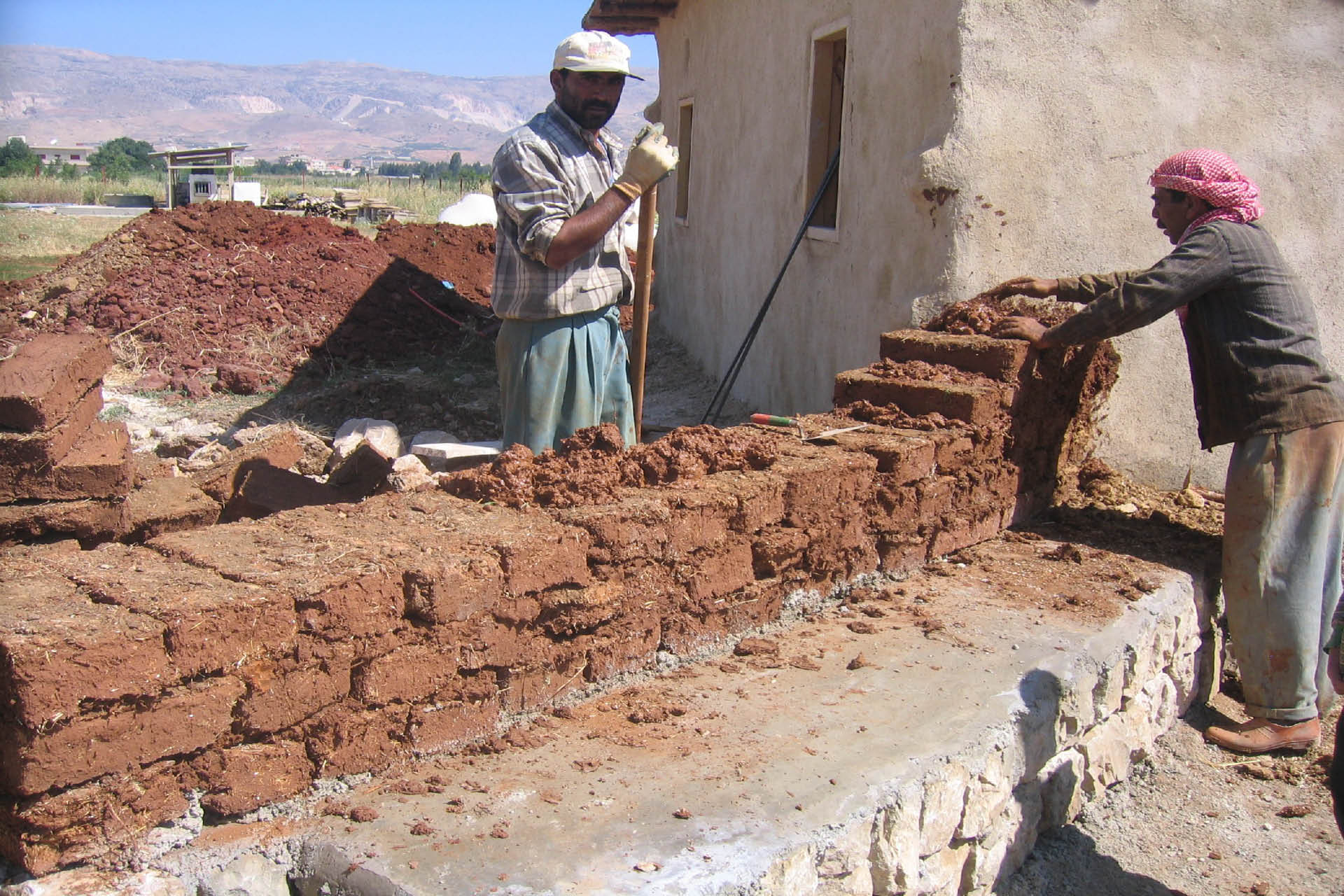
The sector fosters responsible tourism, deeply rooted in local terroir and traditional Lebanese architecture, and develops initiatives that aim to safeguard both the tangible and intangiblecultural heritage of the region.
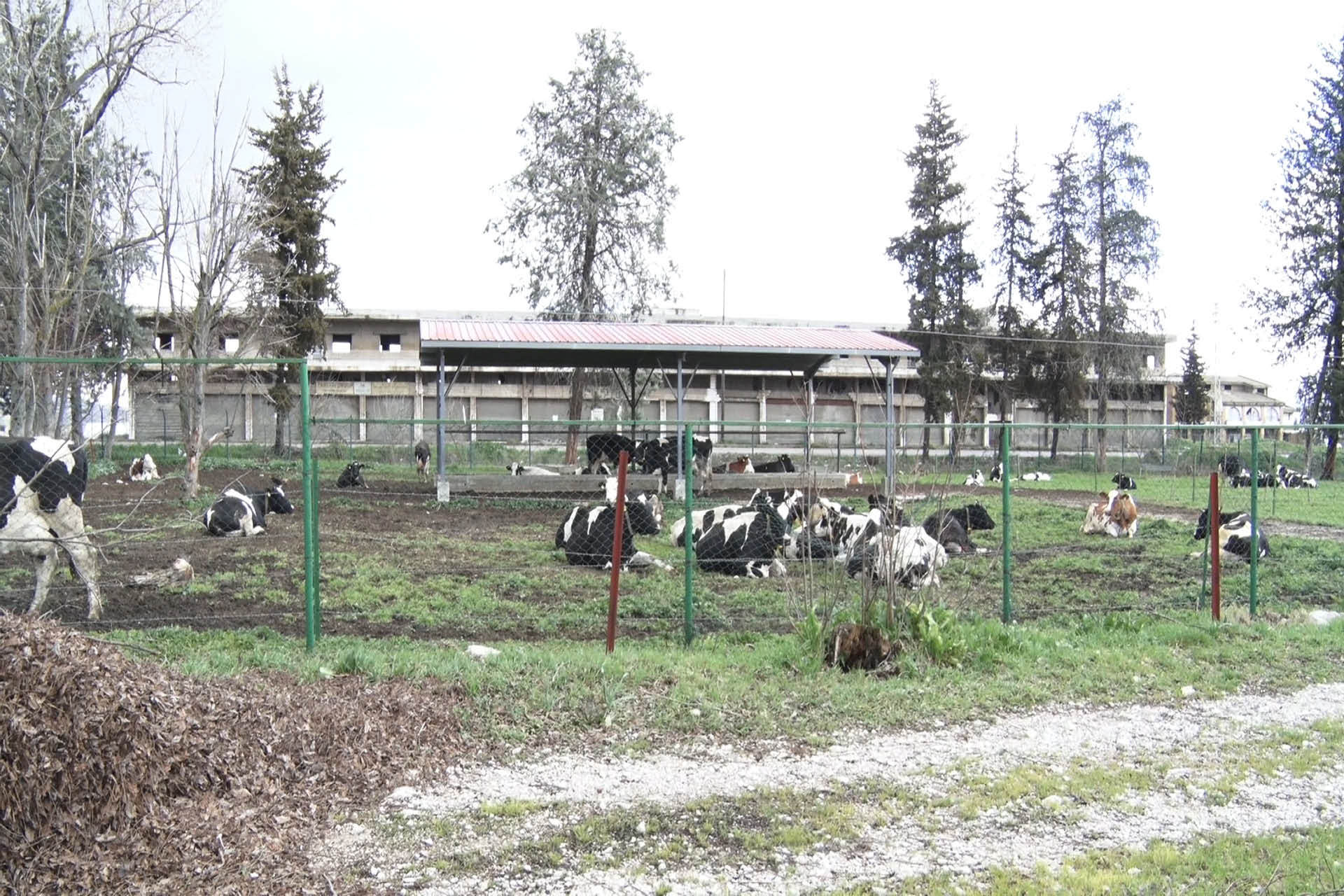
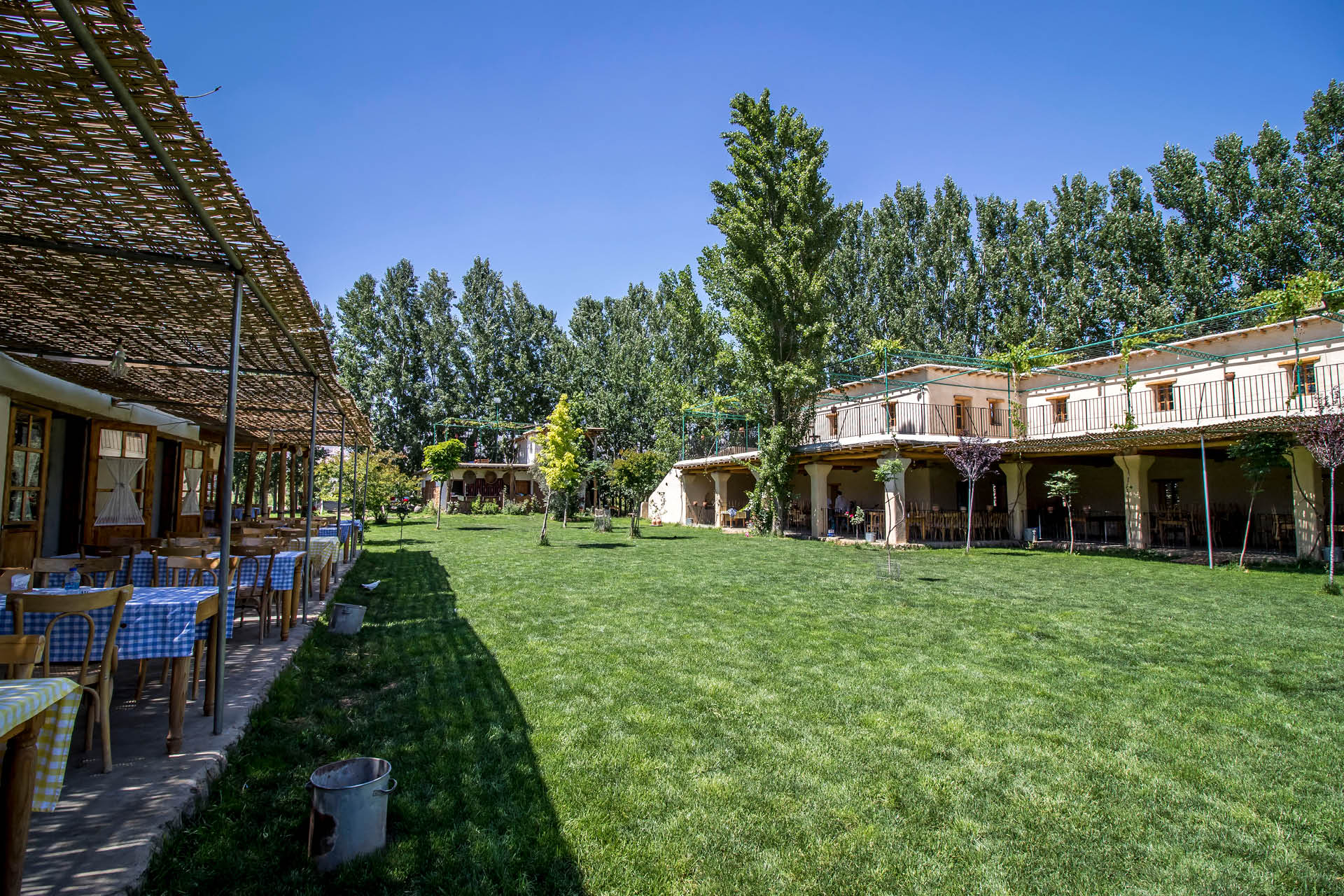
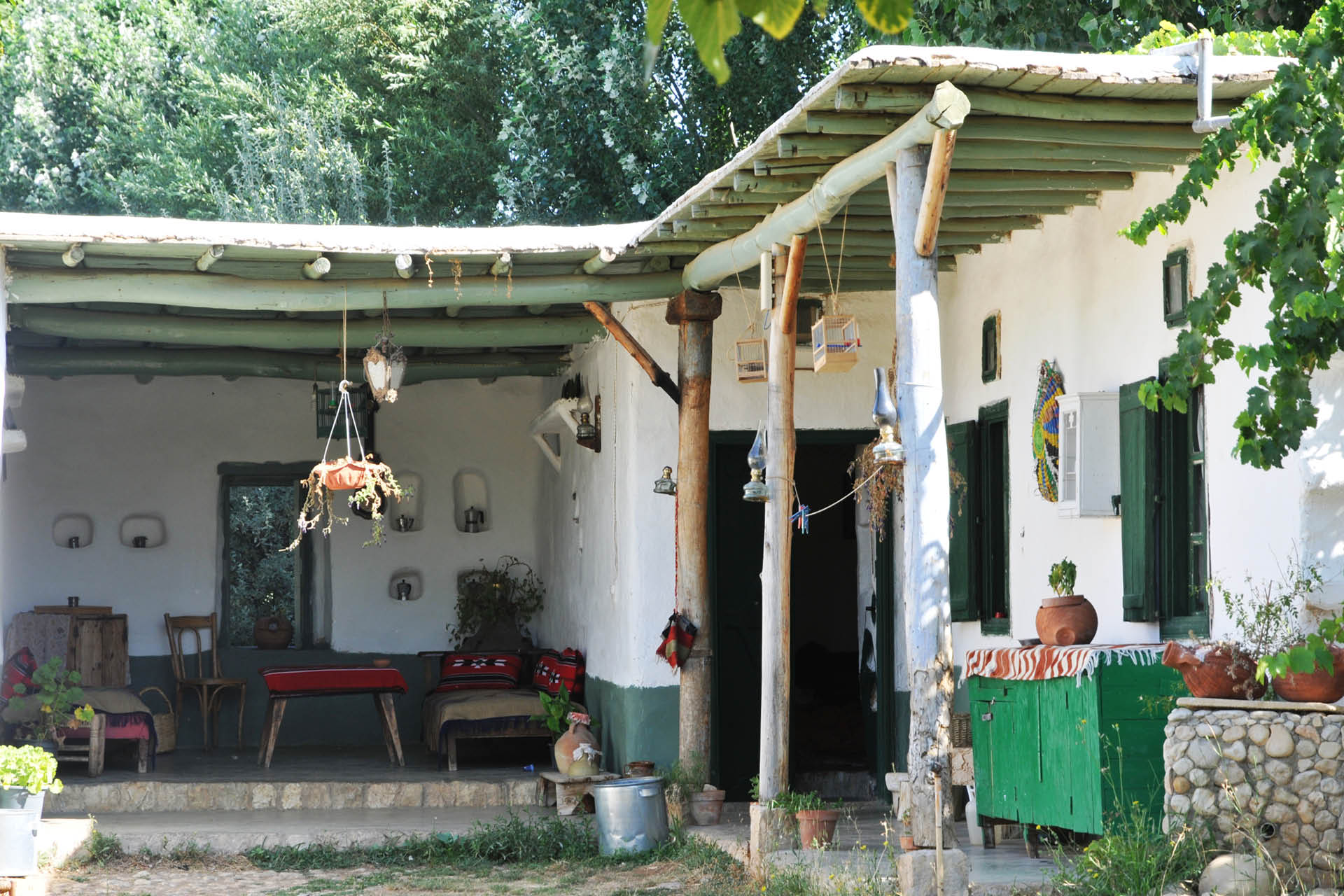
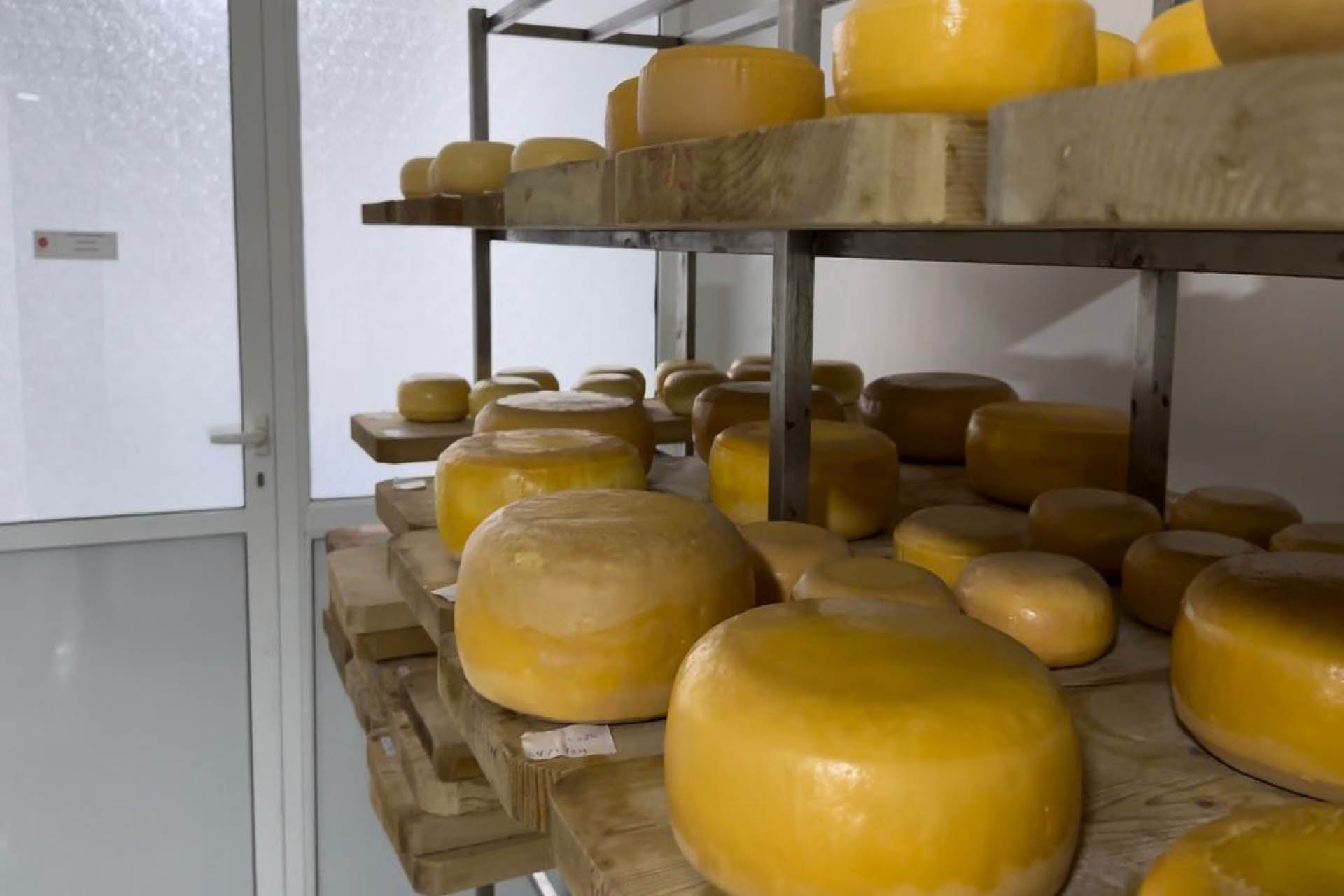
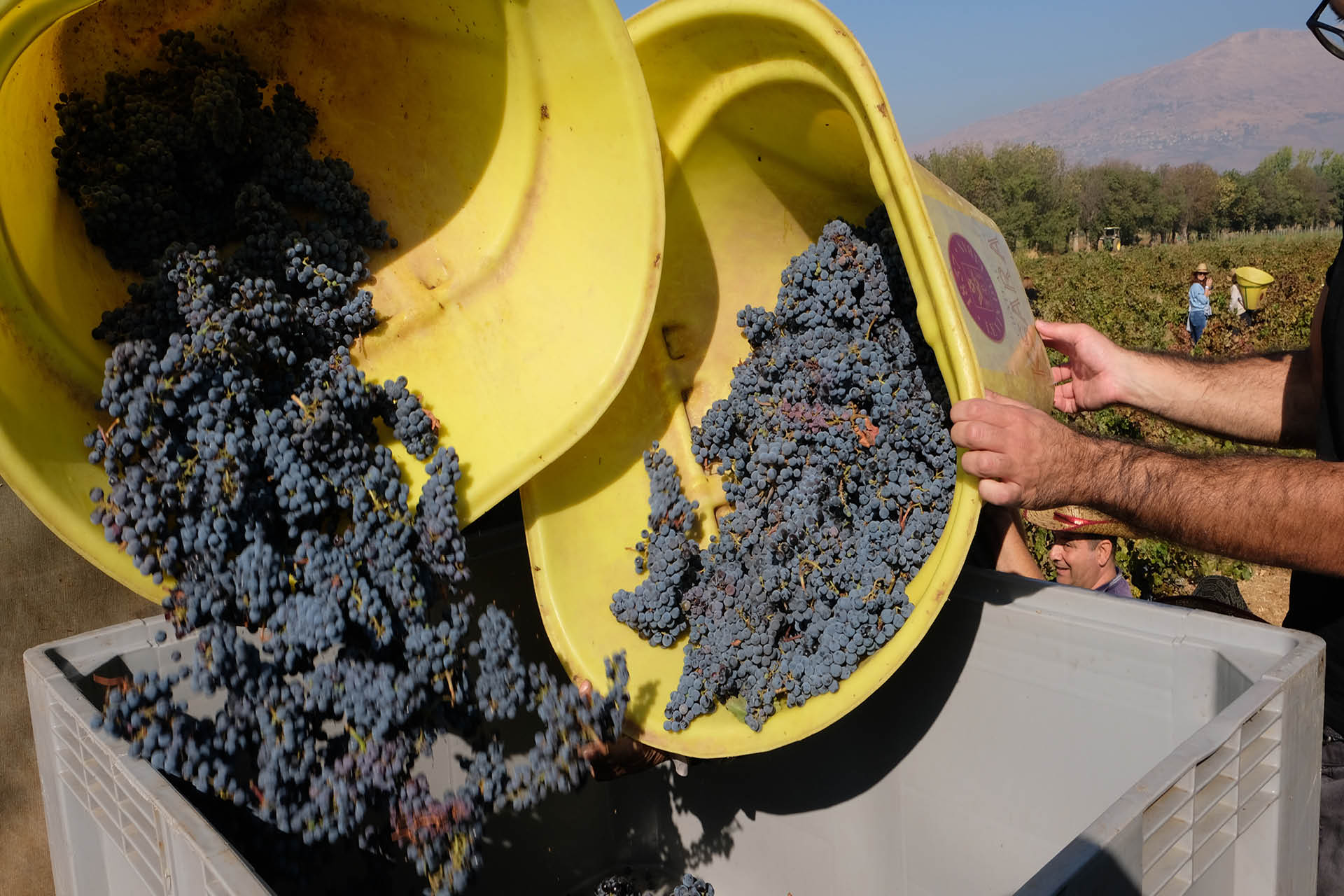
At the heart of this mission lies the Domaine de Taanayel, a 2.3 km² estate in the Bekaa Valley that serves as a living model for sustainable agriculture, eco-friendly tourism, and community-driven economic development. By combining environmentally responsible practices, support for local farmers, and visitor-focused activities, the sector contributes to rural livelihoods, sustainable food systems, and the preservation of Lebanon’s natural and cultural heritage.
-unit---Grape-vines_resized.jpg)
In response to the environmental waste crisis that began summer of 2015, arcenciel publishes a manual on how people and municipalities can effectively manage their waste. arcenciel also trains, raises awareness and prepares municipalities to implement their own waste management centers.
Work begins on recycling waste in Lebanon. arcenciel collects plastic, paper and metal throughout the country and drops them for sorting at arcenciel centers strategically located in every corner of Lebanon.
arcenciel begins research to create the first biopesticide in the MENA region. Le Biop is specifically tailored to meet the specific needs of the Lebanese ecosystem. It is designed not to harm human beings or microorganisms.
arcenciel begins handling and managing Domaine de Taanayel, a 560 acres plot of land that conserves local biodiversity and provides a small natural park for its worldwide visitors.
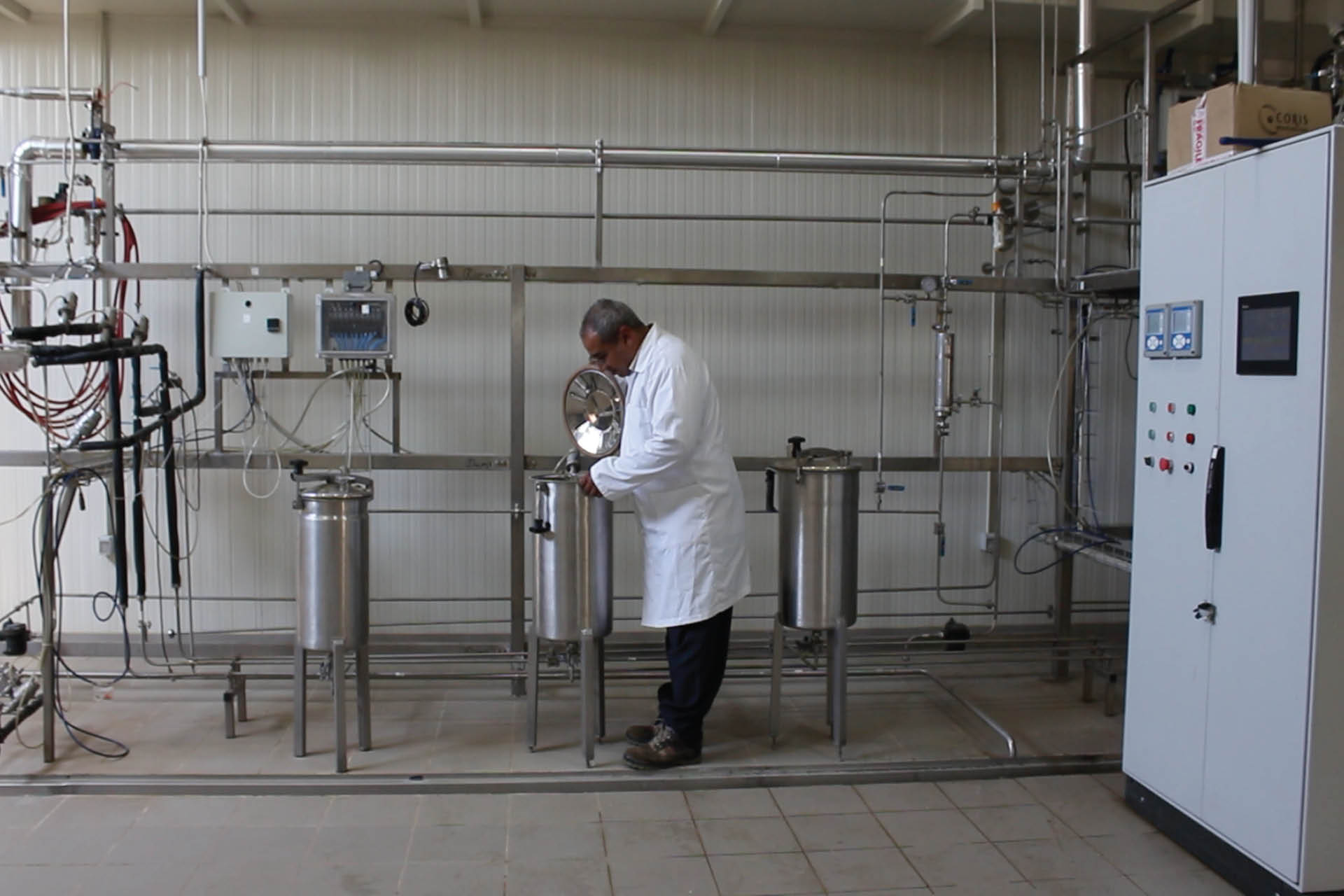
With the launch of its new program in 2003, arcenciel begins treating Potentially Infectious Healthcare Waste (PIHCW). The program directly protects Lebanon’s environment and people from waste-related health issues.
.png)
.png)





















































































.jpg)
.jpg)